
The Mountain West stands in a pivotal moment. Rapid population increase, worsening drought cycles, and pressure on municipal resources are forcing communities to rethink how and where new growth should occur. Few regions face this tension more clearly than Utah’s Salt Lake Valley, where foothill development, limited water supplies, a shrinking Great Salt Lake, and outdated zoning models often collide.
But what if development could work with the land instead of against it?
What if a community could preserve open space, dramatically reduce water use, adapt to complex topography, and still meet market demand?
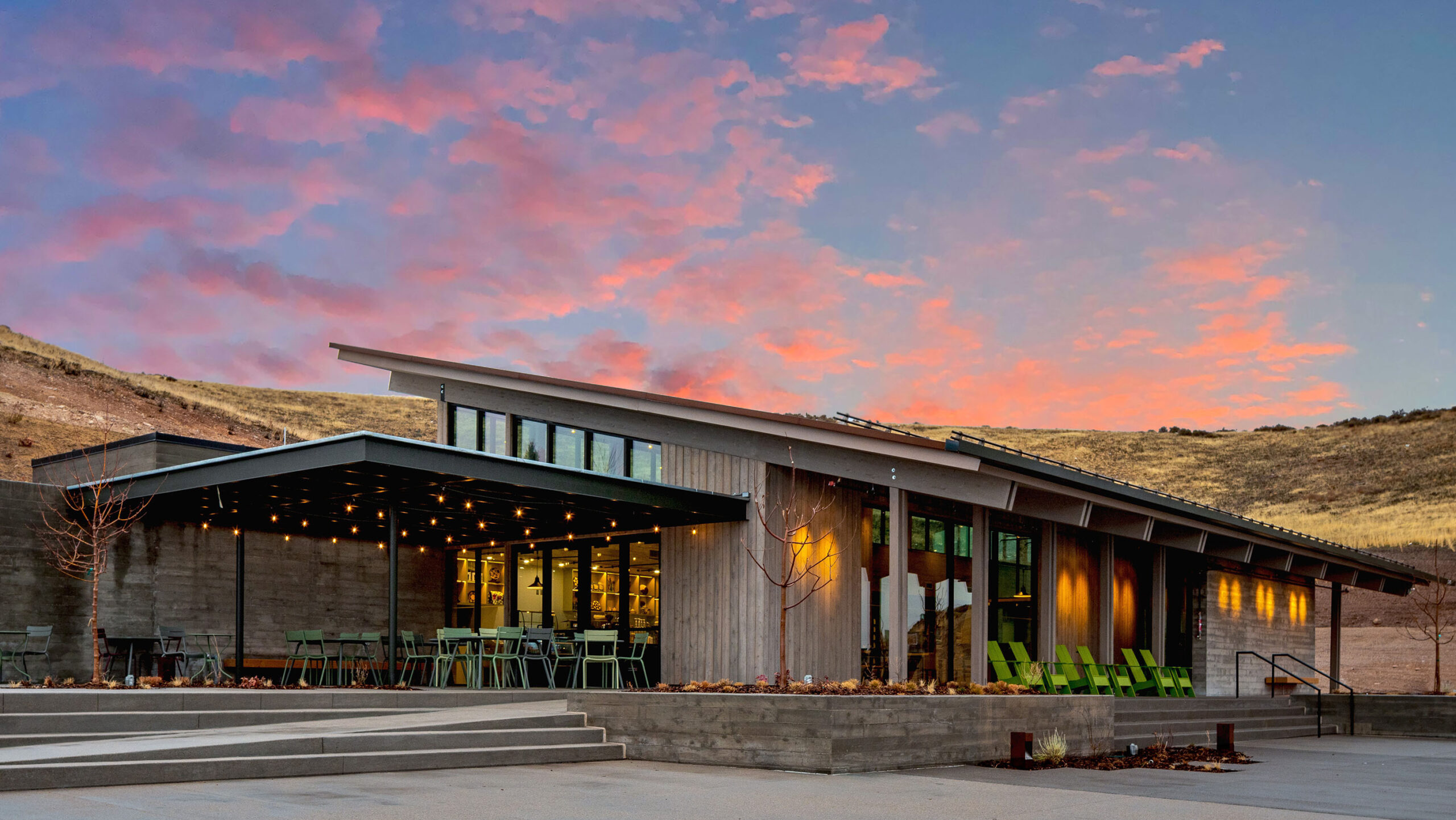
It can, and it does at Terraine, a 634-acre (256 ha) planned community in West Jordan, Utah. Led by master developer Third Cadence, the project is emerging as a case study in how land planning, native ecology, and market feasibility can align to create a new way of living in the arid Mountain West.
“We didn’t want to fight with the land,” says Ty McCutcheon, cofounder of Third Cadence. “We wanted the land to tell us what to do. That mindset changed everything—how we approached water, landscaping, open space, even the way the roads curve through the foothills.”
A site shaped by geology, history, and place
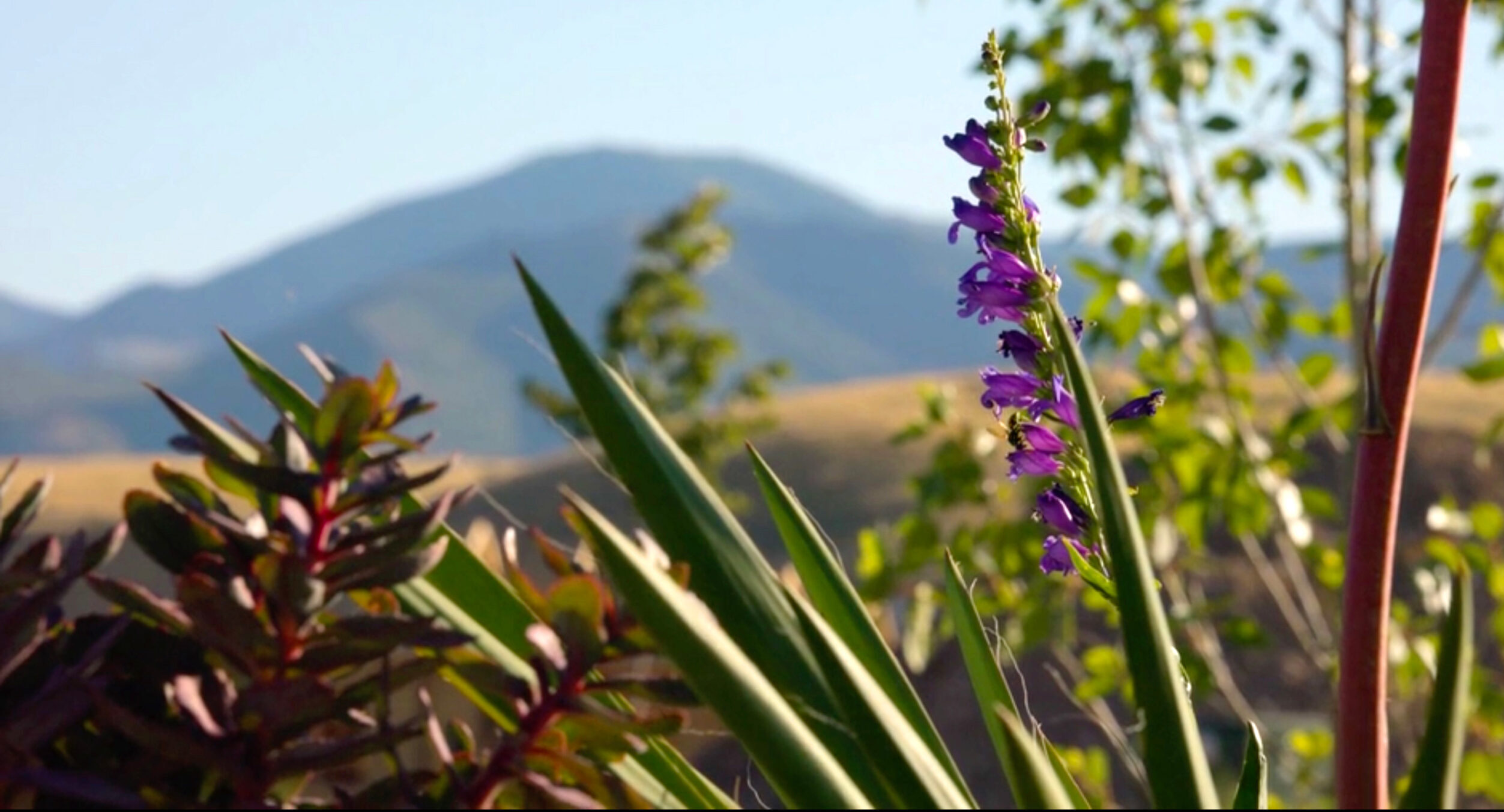
Terraine occupies the transitional slopes between the Oquirrh Mountains and the west edge of the Salt Lake Valley—a landscape of native grasses, drainages, and panoramic views of the Wasatch Range. The site is breathtaking yet challenging to build on due to the topography, sensitive habitats, and required infrastructure.
Rather than flattening hills or restructuring the terrain, Third Cadence embraced its contours. The plan preserves 214 acres (87 ha) of native open space within and around a series of valleys that the Wood family ranched and dry-farmed for generations, forming what became a backbone for the new neighborhoods. The Ribbonwalk, which rings the entire community, is part of a 35 mile (56 km) network of trails that connect the neighborhoods through natural gullies, wildlife corridors, and restored foothill vegetation.
Look east from Terraine, and the stunning peaks of the Wasatch Mountains dominate the horizon. What people don’t see is perhaps more striking: the densely packed valley floor. “You feel like you’re tucked away in the mountains,” says Marcus Pulsipher, a landscape architect with LOCI in Salt Lake City, who helped design Terraine. “It reframes what foothill development can be.”
Continue reading at urbanland.uli.org